Barbers Cut: Ultimate Guide to Styles, Benefits & Grooming Tips
Introduction
A barbers cut stands as one of the most popular grooming choices for men worldwide. It blends precision, clean lines, and timeless style for every face shape and hair type. Professional barbers use expert tools and techniques to deliver results that look sharp and last longer than standard cuts. This style offers more than just length reduction; it creates a neat, confident appearance for work, casual days, or special events. Millions of men choose this cut every month because it balances tradition and modern trends perfectly.
The barbers cut has evolved over centuries from simple trims to artistic grooming. Today, it includes variations like fade cuts, taper cuts, and classic side parts. A skilled barber understands hair texture and growth patterns to craft a style that suits your features. Regular maintenance keeps your look fresh, while quality products add shine and hold. This guide covers every detail you need to know about the barbers cut for your next visit.
1. What Exactly Is a Barbers Cut?
A barbers cut is a professional haircut performed by a licensed barber using clippers, shears, and razors. It focuses on short sides, blended lengths, and sharp definition along the neckline and temples. Unlike salon cuts, it prioritizes structure, symmetry, and easy daily styling. It works on straight, wavy, curly, and coarse hair types with consistent results. The goal is always a clean, uniform finish that enhances natural facial features.
This service also often includes extra grooming touches. You get a neck shave, lineup, and sometimes a light beard trim as part of the full package. Barbers use techniques like clipper over comb and scissor over comb for seamless blending. They create a clear shape that grows out gracefully without looking messy. It remains the foundation of modern men’s grooming across all generations.
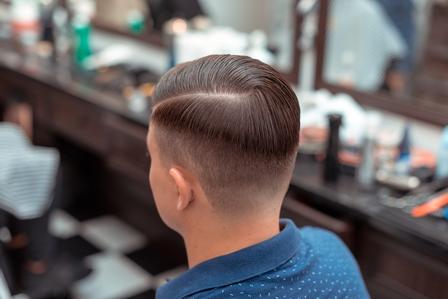
barbers cut style
2. History and Evolution of Barbers Cut
The history of the barbers cut dates back thousands of years to ancient Egypt and Rome. Early civilizations valued short hair as a sign of hygiene, status, and discipline. In the 19th and 20th centuries, barbershops became community hubs for men to gather and groom. Styles evolved from very short military cuts to more textured and creative designs in the modern era. The introduction of electric clippers in the 1920s made precision work faster and easier.
In recent decades, the barbers cut has seen a massive global revival. Styles like skin fade and burst fade combine classic roots with street fashion influence. Modern barbers mix traditional straight razor skills with new tools and grooming products. Social media spreads trends fast, making barbers cuts popular among teenagers and professionals alike. It remains a symbol of neatness, respect, and personal pride everywhere.
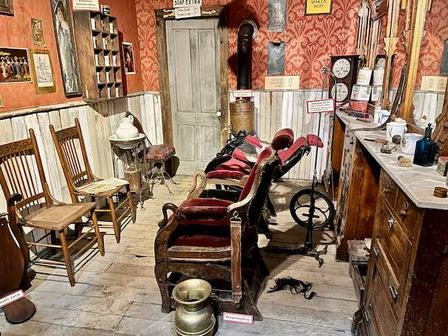
vintage barbershop history
3. Most Popular Types of Barbers Cut
The classic crew cut tops the list as the simplest and most practical barbers cut. It features short sides, slightly longer top hair, and a uniform length all around. It suits round, square, and oval face shapes and requires very little daily maintenance. It works great for students, athletes, and busy professionals every season. You can style it flat or push it forward for a slightly textured finish.
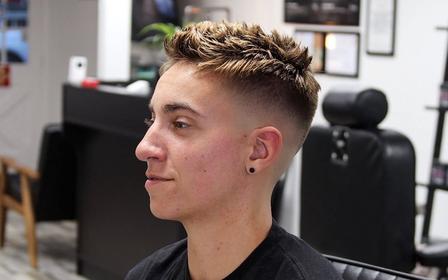
The fade haircut ranks as the most requested modern variation today. It includes low fade, mid fade, high fade, and skin fade styles. Each type creates a smooth gradient from zero length near the ears to longer hair on top. Taper cuts offer a softer transition compared to the bold look of a fade. Both deliver that sharp, polished look men love to show off.
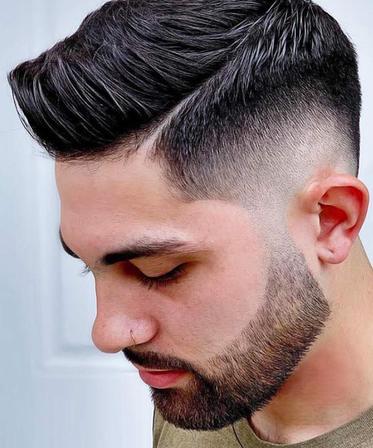
different types of barbers fade cuts
4. Barbers Cut vs. Salon Haircut: Key Differences
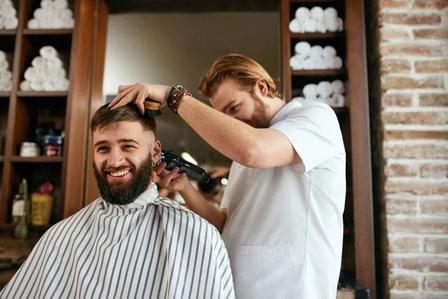
A barbers cut focuses on short lengths, precise blending, and sharp edges. Barbers master clipper work, razor lineups, and beard grooming better than most stylists. The service feels faster, affordable, and includes traditional touches like hot towel treatments. The atmosphere in a barbershop is relaxed, friendly, and designed for men’s comfort. You leave with a defined shape that holds its form for weeks.
Salon haircuts often lean toward longer styles, layers, and chemical treatments. Stylists use mostly scissors rather than clippers and focus more on movement and volume. If you want long hair or coloring, a salon works best, but barbers lead in short grooming. Barbershops also build long-term relationships and remember exactly how you like your style. Choose a barbers cut when you want durability, neatness, and low upkeep.
barbershop vs salon haircut
5. Benefits of Choosing a Barbers Cut
A barbers cut offers superior hygiene and cleanliness at every visit. Short hair stays cooler in hot weather and collects less dirt and oil throughout the day. It reduces sweat buildup and keeps your scalp healthy and fresh all week. You wash and dry it in minutes, saving time every single morning. It also reduces the risk of dandruff and irritation from tangled long hair.
This style boosts confidence and creates a strong first impression. Clean lines and balanced proportions highlight your facial structure naturally. It fits formal office dress codes and casual outings equally well. The cut grows out evenly, so you still look neat even weeks after your appointment. Most clients say they feel sharper and more energetic right after a good barbers cut.
benefits of barbers cut men
6. Best Barbers Cut for Every Face Shape
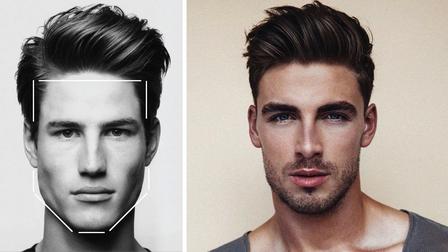
Men with oval faces can pull off almost any barbers cut style easily. The side part and pompadour fade look excellent and add balanced proportions. Avoid extremely long tops if you want to keep the face looking proportionate. Oval faces suit short sides and medium-length tops perfectly every time. Barbers recommend this shape as the most versatile for experimentation.
For round faces, choose high fades and longer tops to add height. This style slims the face and creates a sharper jawline appearance. Avoid full round cuts that add extra width to your overall look. Square faces match great with crew cuts and taper fades for symmetry. Soften hard angles slightly with textured tops if your jawline is very strong.
barbers cut for different face shapes
7. Essential Tools Used in a Barbers Cut
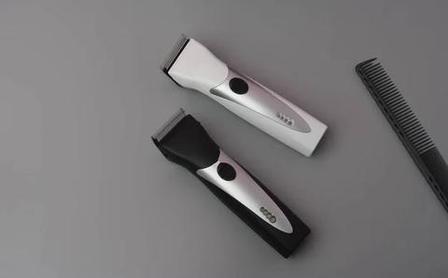
Professional barbers rely on high-quality electric clippers as their main tool. Clippers with adjustable guards control length from zero to several inches accurately. Straight razors create sharp lines along the forehead, neck, and cheek areas. Professional shears and thinning scissors add texture and remove bulk from longer tops. All tools stay sanitized after every use for safety and health standards.
Support tools include combs, brushes, mirrors, and hot towel warmers. Barbers use hair tonics, shaving creams, and aftershave balms to finish the service. These products soothe the skin, prevent razor burn, and add a pleasant scent. The right tools make the difference between an average trim and a masterpiece cut. Trusted equipment ensures consistent results visit after visit.
barber tools clippers razor comb
8. Step-by-Step Process of a Professional Barbers Cut
The service starts with a thorough consultation and hair wash. Your barber examines hair texture, growth direction, and listens to your style goals. They then cut the sides and back first using clippers with the correct guard sizes. Blending follows to remove harsh lines between shorter and longer lengths. The barber works carefully around ears and neck for perfect symmetry.
Next comes the top section using scissors or longer clipper settings. Texturizing creates movement and ensures the hair sits flat and natural. Razor lineup shapes the edges crisply, followed by a hot towel application. Aftershave lotion closes pores and leaves skin smooth and fresh. The final brush and styling show you exactly how to maintain it at home.
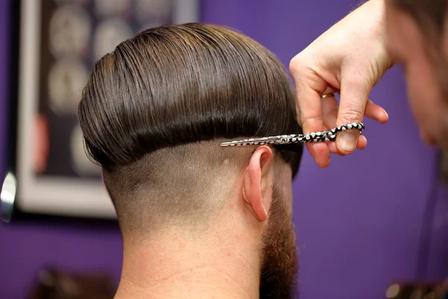
barber cutting hair step by step
9. How to Maintain Your Barbers Cut at Home
Daily care starts with the right men’s shampoo and conditioner. Wash your hair every two days to remove oil buildup without drying your scalp. Towel-dry gently and apply a small amount of pomade, wax, or clay. Work the product evenly from back to front, shaping as you go. This keeps the defined look until your next appointment with the barber.
Use a small mirror to check your neckline and sideburns regularly. Avoid using clippers yourself unless you have training; mistakes ruin the style. Visit your barbershop every 2 to 4 weeks for touch-ups. Regular trims prevent split ends and maintain the original shape longer. Clean tools and fresh products help extend the life of your great haircut.
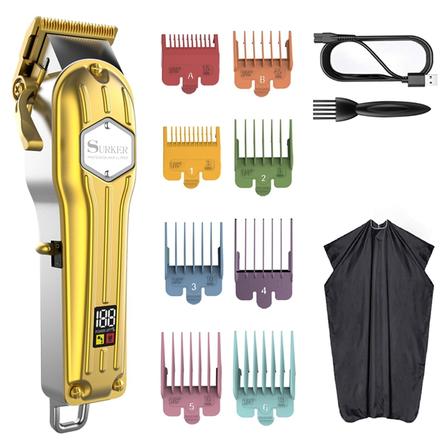
men grooming products for barbers cut
10. Best Hair Products for Barbers Cut Styling
Pomade ranks as the most popular choice for shiny, firm hold styles. It works perfectly for side parts, combovers, and classic slick backs. Matte clay suits modern textured looks without adding extra shine. It feels lighter and works great for casual styles that need volume. Hair wax sits between both, offering medium hold and slight shine control.
Beard oil complements your barbers cut if you have facial hair. It softens hair, reduces itchiness, and keeps skin moisturized daily. Hair tonic adds shine and a fresh scent after every wash. Always pick products made specifically for men and avoid heavy gels. Good products protect hair and make styling simple and fast each morning.
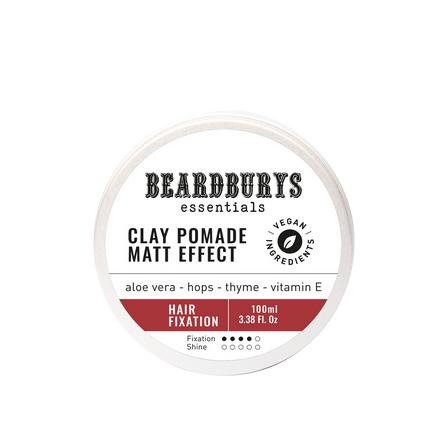
best pomade wax clay for barbers cut
11. How Often Should You Get a Barbers Cut?
Most men visit the barber every 2 to 3 weeks for short styles like fades. Shorter hair grows faster and loses its shape quickly around the sides. If you prefer a crew cut or taper, every 3 to 4 weeks works perfectly. Longer barber styles allow up to 5 weeks between appointments comfortably. Regular visits keep your look consistent and professional year-round.
Skipping appointments leads to uneven growth, messy edges, and loss of definition. Overgrown fades look dull and can create volume where it should be flat. A quick touch-up takes just 10–15 minutes and costs very little. Schedule your next visit right after your cut so you never fall behind. Consistency is the secret to always having a fresh barbers cut.
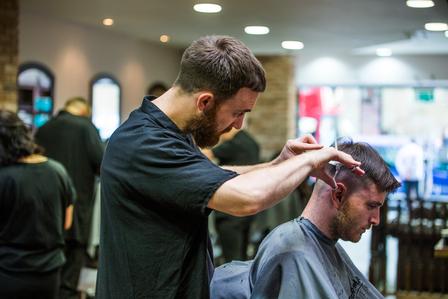
how often to get barbers haircut
12. Common Mistakes to Avoid With Barbers Cut
The biggest mistake is not communicating clearly with your barber. Use photos to explain exactly what length and shape you want. Do not try to cut your own hair at home unless you have experience. Uneven lines and wrong guard sizes ruin the symmetry of your barbers cut. Rushing the appointment also results in less precise blending and shaping.
Avoid using too much styling product; it makes hair greasy and heavy. Low-quality products can cause dandruff and damage healthy hair over time. Do not ignore your neckline and sideburns as they grow fast and look messy. Skipping trims makes it harder to restore the original style later. Trust your barber’s advice and follow their tips for the best long-term results.
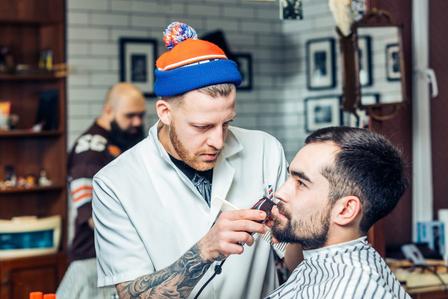
mistakes to avoid with barber haircut
13. Finding the Best Barbershop Near You
Search terms like “best barbershop near me” help find top-rated local shops. Check Google reviews and look for photos of their past work. Cleanliness, friendly staff, and proper licensing show professionalism and quality. A good shop uses sanitized tools and follows hygiene standards strictly. You feel welcome and comfortable from the moment you walk in.
Look for barbers who listen well and explain the process clearly. Ask about pricing and service packages including beard trims and hot towels. Build a relationship with one barber so they learn exactly your preferences. Consistency with the same barber gives you perfect results every single time. Great barbershops turn first-time clients into lifelong regulars.
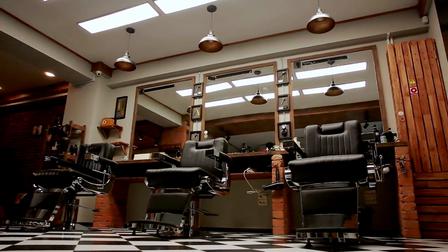
modern clean barbershop interior
Conclusion
The barbers cut remains the ultimate choice for men wanting style, simplicity, and value. It combines centuries-old traditions with modern trends to suit every lifestyle. With proper care and regular visits, this cut always keeps you looking sharp and confident. It fits every face shape, hair type, and budget without compromise. You cannot go wrong choosing a professional barbers cut for your grooming routine.
This guide covered every detail from history and styles to maintenance and products. Now you know exactly what to expect and how to get the best results every time. Your next trip to the barbershop will feel easy and stress-free. Enjoy the compliments and the fresh feeling only a quality barbers cut delivers. Make it part of your routine and always present your best self to the world.
FAQs
Q1. What is the difference between a barbers cut and a regular haircut?
A barbers cut uses clippers and razors for precision, while regular haircuts use mostly scissors. It focuses on short sides, clean edges, and low maintenance.
Q2. How long does a barbers cut last?
It stays looking fresh for 2–3 weeks. After that, hair grows out and loses shape, so touch-ups keep it neat.
Q3. Is barbers cut suitable for curly hair?
Yes! Barbers use special techniques to blend curls evenly and create definition. It reduces volume and makes curly hair easier to manage daily.
Q4. What products work best for barbers cut styling?
Pomade, matte clay, or wax give the best hold and finish. Use hair tonic and beard oil for extra care and shine.
Q5. How much does a professional barbers cut cost?
Prices range from $10 to $35 depending on location and shop quality. Many include hot towels, lineups, and aftershave in the service.

Zoey Sarah, the founder of Magazine Rise. I’m passionate about sharing authentic, informative, and engaging content to help readers stay informed and inspired.